In today’s rapidly changing world, the appeal of fast fashion is hard to ignore. You may be tempted by the convenience of purchasing stylish clothing at a low price, but have you ever stopped to think about the wider implications of this convenience? The issues linked to fast fashion go well beyond just your closet; they affect the environment, the economy, and society as a whole.
Fast fashion brands offer the latest trends at an astonishing speed, but this business model comes with many hidden costs. As a conscious consumer, it’s essential to understand these drawbacks. By being informed, you can contribute to a more sustainable world, guiding the fashion industry toward a brighter future through your ethical choices.
This article aims to unveil the multifaceted issues associated with fast fashion. From environmental degradation to the exploitation of workers, you’ll gain insights into the true price of that seemingly affordable outfit.
The Rise of Fast Fashion
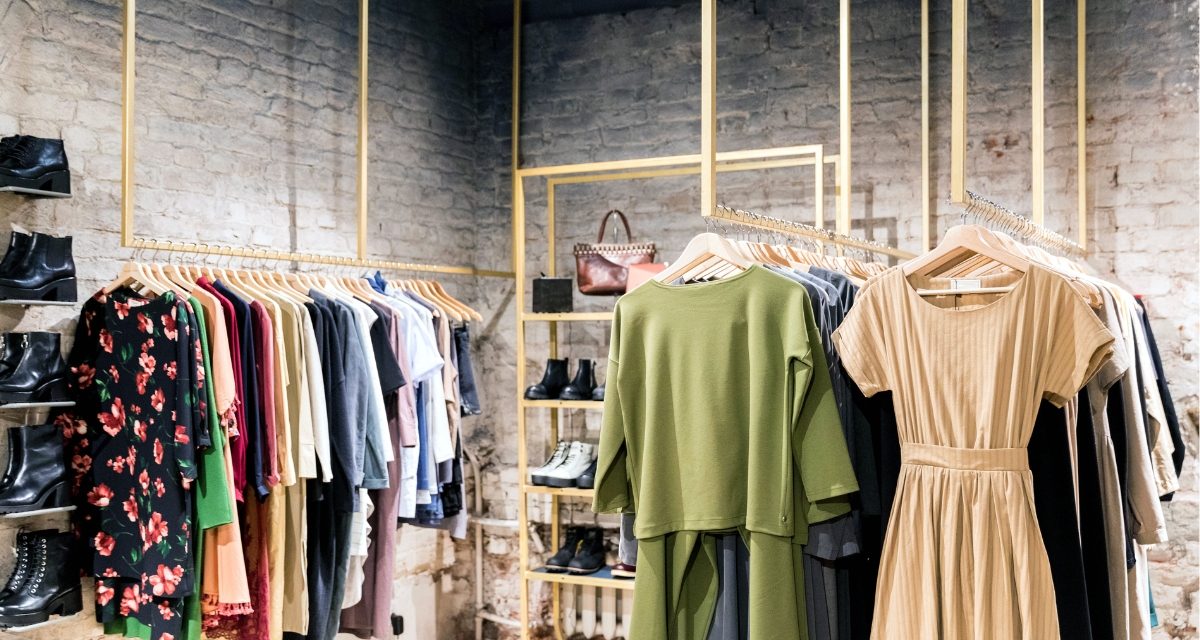
The rise of fast fashion began in the late 20th century when retailers adopted a business model centred on rapid production and distribution. You may have observed how quickly new collections make their way into stores, often replicating high-fashion designs at much lower prices. This change has resulted in an extraordinary speed in the fashion cycle, with new trends emerging almost weekly.
As a consumer, you enjoy the affordability and accessibility that fast fashion provides. However, this quick turnover promotes a throwaway culture, where clothes are often discarded after only a few wears. The industry takes advantage of your desire for the latest styles, creating a cycle of overconsumption that has significant consequences for both the environment and society.
The competitive nature of the fast fashion industry has fueled innovation in supply chain management and production techniques. However, this relentless pursuit of efficiency often compromises quality and ethical practices.
By exploring the rise of fast fashion more deeply, you can gain a better understanding of the complex dynamics that shape this industry and the challenges it poses to sustainable fashion.
Environmental Impact of Fast Fashion
The environmental impact of fast fashion is enormous, making the industry one of the largest polluters in the world. You might be surprised to know that textile production contributes to water scarcity in many areas. Additionally, the dyes and chemicals used in manufacturing can cause serious water pollution, harming both ecosystems and human health.
Fast fashion poses a significant problem due to its large carbon footprint. The process of transporting garments across continents, combined with energy-intensive manufacturing methods, leads to considerable greenhouse gas emissions. As a consumer, your choices have a direct impact on these environmental issues, which underscores the importance of supporting sustainable practices.
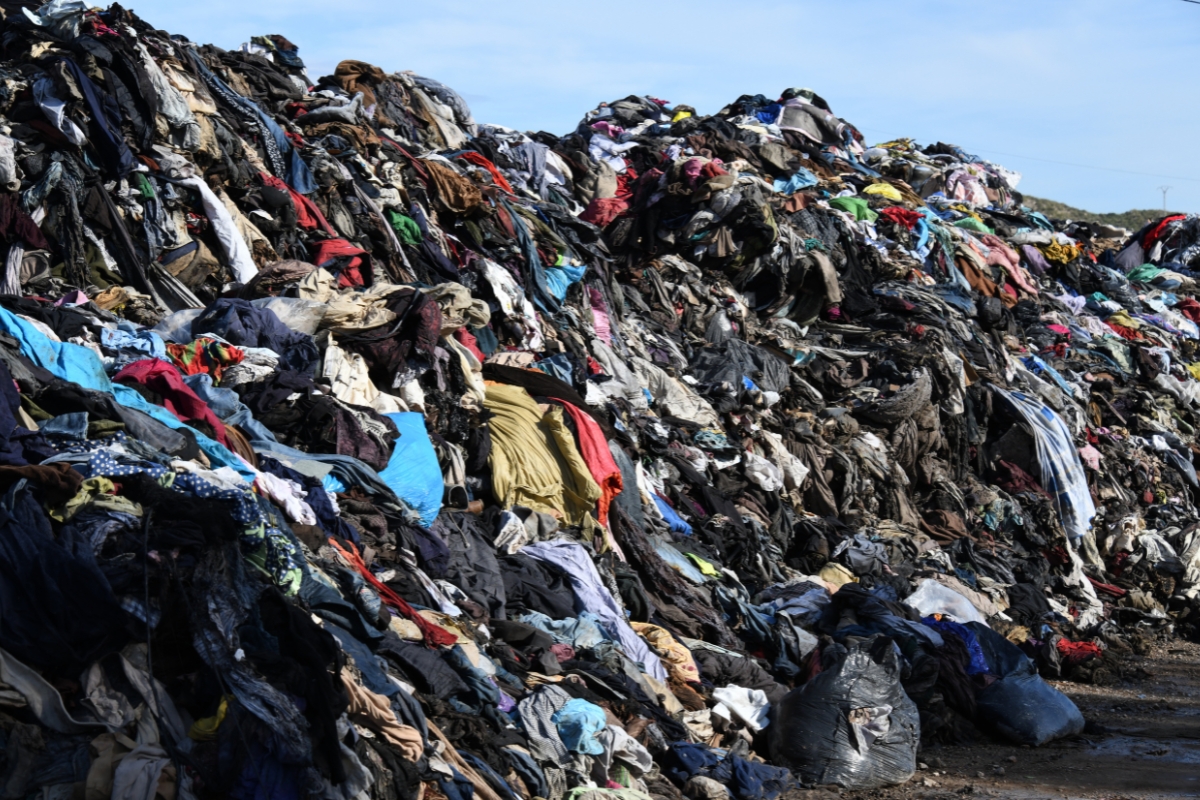
The problem of textile waste is significant and cannot be ignored. Fast fashion promotes a disposable mindset, causing clothing to be thrown away quickly and resulting in overflowing landfills. Many garments are made from non-biodegradable materials, which worsens the waste issue. By choosing more sustainable alternatives, you can play a vital role in reducing the environmental impact of the fashion industry.
The Human Cost: Ethical Concerns in Fast Fashion
While fast fashion provides affordable clothing, it often comes at a significant human cost. The industry’s reliance on low-cost labour means that many workers in developing countries face poor working conditions, inadequate wages, and a lack of job security. As a conscious consumer, it’s essential to recognise the ethical implications of your fashion choices.
In many instances, garment workers endure long hours, unsafe environments, and exploitative practices. This reality starkly contrasts the glossy image portrayed by fast fashion brands. By prioritising profits over people, the industry perpetuates a cycle of poverty and inequality, which you can help disrupt through informed purchasing decisions.
Additionally, the issue of child labour is a pressing concern within the fast fashion supply chain. Many children are forced to work in hazardous conditions, depriving them of education and a chance for a better future. By supporting brands that adhere to ethical standards, you can help combat these injustices and contribute to a more equitable world.
Economic Consequences of Fast Fashion
The economic impact of fast fashion is a double-edged sword. On one hand, it has created numerous job opportunities, particularly in developing countries, where garment production is a significant source of employment. However, these jobs often come with low wages and limited rights, perpetuating a cycle of poverty that can be difficult to escape.
Furthermore, the fast fashion model can undermine local economies and traditional craftsmanship. The influx of cheap, mass-produced clothing can stifle the growth of smaller, independent brands prioritising quality and sustainability. By supporting these local businesses, you can help foster a more diverse and resilient fashion industry that values ethical and sustainable practices.m economic consequences. The industry’s focus on rapid production and low costs often leads to a race to the bottom, where quality is sacrificed for quantity. This approach can result in financial instability for both workers and businesses as they struggle to maintain profitability in a highly competitive market.
Fast Fashion’s Impact on Consumer Behaviour
Fast fashion has significantly impacted consumer behaviour, fostering a culture of instant gratification and disposable clothing. As a consumer, you might buy more often, motivated by a desire to stay updated with the latest trends. However, this behaviour can create a cycle of overconsumption that prioritises quantity over quality.
Recent changes in consumer habits have transformed how people perceive value and durability in clothing. Many garments are now seen as temporary, which has resulted in a diminished appreciation for craftsmanship and lasting quality. By acknowledging the issues associated with fast fashion, you can develop a more mindful approach to your wardrobe, prioritising timeless pieces that withstand the test of time.
The rise of social media and influencer culture has also amplified the fast fashion phenomenon. As you scroll through endless streams of curated content, the pressure to conform to ever-changing fashion trends can be overwhelming. By fostering a more intentional relationship with your clothing, you can resist this pressure and make choices that align with your values and priorities.
Sustainable Alternatives to Fast Fashion
As awareness of the issues surrounding fast fashion increases, so does the demand for sustainable alternatives. You can play a key role in this movement by supporting brands that prioritise ethical production, environmental responsibility, and transparency. These companies often use organic materials, reduce waste, and ensure fair wages for their workers.
Embracing slow fashion is an effective way to combat the negative impacts of fast fashion. This movement encourages you to invest in high-quality garments designed to last, promoting a more sustainable and mindful approach to consumption. By selecting timeless styles and versatile pieces, you can curate a wardrobe that aligns with your values while maintaining your sense of style.
In addition to supporting sustainable brands, consider exploring second-hand shopping and clothing swaps as alternatives to fast fashion. These options not only help reduce waste but also provide unique opportunities to discover one-of-a-kind items. By embracing these sustainable practices, you contribute to a more responsible and ethical fashion industry.

How to Make More Ethical Fashion Choices
Making more ethical fashion choices begins with being informed and intentional about your purchasing decisions. Start by researching brands and their practices to ensure they align with your values. Look for certifications such as Fair Trade or GOTS (Global Organic Textile Standard), which indicate a commitment to ethical and sustainable production.
When choosing clothing, consider its lifecycle. Select garments made from natural, biodegradable materials and focus on quality rather than quantity. By investing in durable pieces, you not only minimise waste but also develop a more meaningful connection with your wardrobe.
Finally, adopt the principle of mindful consumption. Before purchasing, consider whether the item genuinely enhances your wardrobe and aligns with your style. By embracing this mindset, you can resist the temptation of fast fashion and make choices that demonstrate your commitment to a more sustainable and ethical fashion industry.
Brands Leading the Way in Sustainable Fashion
Many brands are leading the way toward a more sustainable fashion future. By supporting these companies, you can help bring about positive change. These businesses are committed to ethical practices, environmental responsibility, and transparency, setting a new standard for the industry.
- Patagonia: Known for its commitment to environmental activism, Patagonia prioritises sustainable materials and ethical production processes.
- Stella McCartney: A pioneer in luxury sustainable fashion, Stella McCartney combines high-end design with eco-friendly practices.
- Eileen Fisher: This brand focuses on timeless design and sustainable production, emphasising the importance of quality and longevity.
- People Tree: As a Fair Trade fashion brand, People Tree is dedicated to ethical production and empowering workers in developing countries.
By choosing to support sustainable brands, you can significantly impact the fashion industry and encourage more companies to adopt responsible practices.
Moving Beyond Fast Fashion
The future of fashion depends on moving away from the fast fashion model and adopting a more sustainable and ethical approach. As a consumer, you have the power to drive this change by prioritising quality, transparency, and responsibility in your purchasing decisions.
Innovation is set to play a vital role in shaping the future of fashion. With the development of sustainable materials and circular fashion advancements, the industry is on the brink of transformation. You can contribute to this exciting journey toward a more sustainable and equitable fashion landscape by staying informed and embracing new ideas.
The future of fashion relies on our collective action. By advocating for change and supporting brands that share your values, you can contribute to creating a fashion industry that respects both people and the planet. Together, we can move past the issues associated with fast fashion and work towards a brighter, more sustainable future.
Conclusion
The issue of fast fashion is complex and has many layers, but understanding its hidden costs can empower you to make a difference. Fast fashion contributes to environmental degradation and raises ethical concerns, with effects that extend far and wide. However, by being aware and intentional in your choices, you can help foster a more sustainable and ethical fashion industry.
As you explore your fashion journey, think about the impact of your choices. By supporting sustainable brands, practising mindful consumption, and advocating for change, you can help drive positive transformation. Together, we can move beyond fast fashion and create a future where fashion respects both people and the planet.
Call to Action
Take a step towards building a more sustainable wardrobe today. Start by researching your favourite brands and their practices, and think about how you can make more ethical choices in your fashion routine. Share this article with friends and family to raise awareness and inspire collective action for a more responsible fashion industry.