Key Highlights
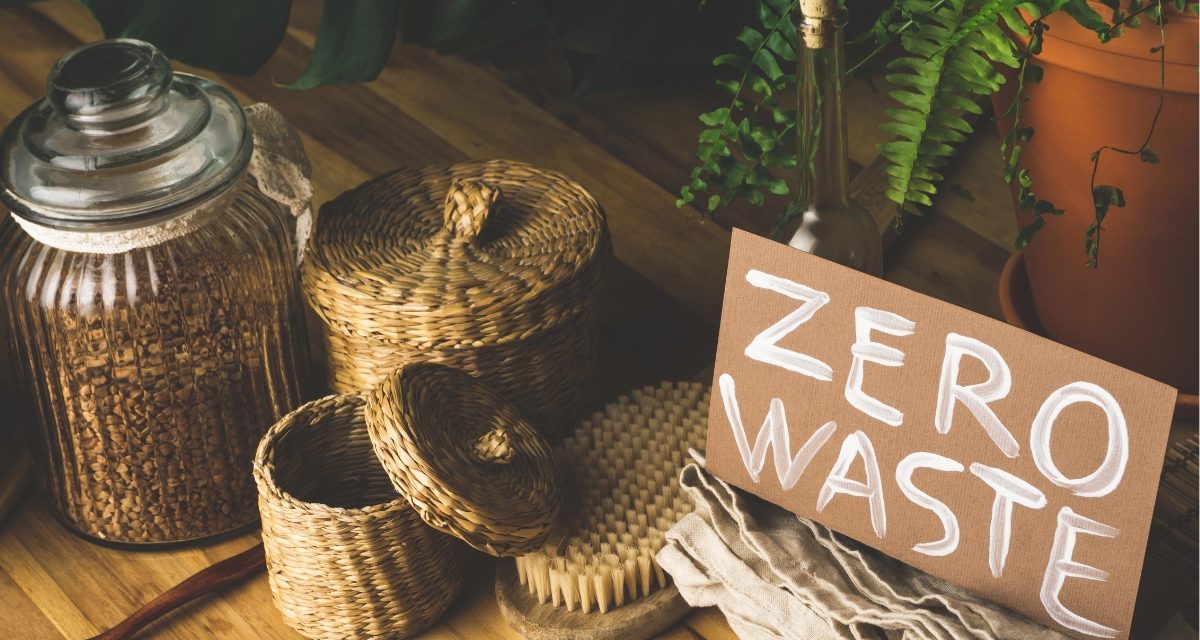
- Embracing a zero-waste lifestyle is about making conscious, sustainable choices in your daily life.
- The journey begins with practical steps like refusing single-use items and reducing overall consumption.
- Making small changes, such as using reusable bags and water bottles, can have a significant impact.
- This lifestyle helps protect the environment by conserving natural resources and reducing pollution.
- Beyond environmental benefits, zero-waste living can lead to financial savings and a healthier life.
- You can start by evaluating your current waste habits and making simple, manageable swaps.
Introduction
Have you ever considered how you can reduce waste in your daily life? Adopting a zero-waste lifestyle is a powerful way to make a difference. This approach to sustainable living focuses on minimising what you throw away through conscious choices. It’s about more than just recycling; it’s a shift in mindset toward creating a cleaner, greener planet. By making a few simple adjustments to your daily routines, you can help create a more sustainable future for everyone.
Understanding the Zero Waste Lifestyle
The zero-waste movement is gaining momentum as more people seek ways to live sustainably. The core idea is to redesign our relationship with resources to prevent waste from being created in the first place. It encourages a circular economy where materials are reused, repaired, or composted rather than sent to landfills.
For anyone looking to start, understanding the concept of zero waste is the first step toward a more sustainable future. It’s about questioning our consumption habits and actively working to make a positive impact. To help you begin, we’ll explore what zero waste truly means and the core principles that guide this lifestyle.
Defining Zero Waste and What It Means in Everyday Life
What does living a zero-waste lifestyle actually mean? At its heart, it is a philosophy aimed at reducing the amount of waste you produce as much as possible. It is not about achieving absolute perfection but about making conscious choices to minimise your environmental footprint. The goal is to send as little waste as possible to landfills and incinerators.
This involves rethinking how you use and dispose of goods. Instead of a “take, make, dispose” model, you shift toward a circular approach. This means valuing items, reusing them, and ensuring they can be recycled or composted at the end of their life.
For most people, starting with manageable changes is a great first step. It’s about progress, not perfection. Reducing your waste is a journey, and every small action you take contributes to a larger positive impact on the planet.
The Five Principles of Zero Waste: Refuse, Reduce, Reuse, Recycle, Rot
A beginner can easily start transitioning to a zero-waste lifestyle by following the five core principles, often called the “5 Rs.” This zero-waste approach provides a simple framework for making more sustainable choices in your daily life. It guides you on how to prioritise actions to minimise your impact effectively.

The hierarchy is important, as it encourages you to tackle waste at its source before relying on recycling. These principles are:
- Refuse: Say no to things you don’t need, like single-use plastics and freebies.
- Reduce: Cut back on what you buy and consume.
- Reuse: Choose durable, reusable items over disposable ones.
- Recycle: Properly recycle what you cannot refuse, reduce, or reuse.
- Rot: Compost your organic waste, like food scraps.
By applying these principles, you can systematically decrease the amount of trash you generate. This simple yet powerful method makes the journey toward less waste much more achievable.
The Environmental Impact of Zero Waste Living
Adopting a zero-waste lifestyle has a profound and positive impact on the environment. When you reduce what you throw away, you directly lessen the burden on landfills, which are major sources of soil contamination and greenhouse gas emissions. This sustainable approach helps protect our planet’s delicate ecosystems.
Proper waste management, guided by zero-waste principles, is key to building a healthier world. As individuals and communities embrace these changes, we can work together to create a cleaner environment. Let’s look at how reducing waste helps the planet and the role we all play in this important effort.
How Reducing Waste Helps the Planet
A zero-waste lifestyle is crucial for the environment because it directly addresses major ecological issues. By generating less waste, you help reduce the volume of trash sent to landfills. Decomposing waste in landfills releases methane, a potent greenhouse gas that contributes to climate change. Reducing waste means fewer emissions.
This lifestyle also conserves our precious natural resources. Every product requires energy, water, and raw materials to produce. When you consume less and reuse more, you lower the demand for new products, which in turn reduces pollution from manufacturing and transportation.
Your efforts create a healthier planet for future generations. Reducing waste minimises the risk of harmful chemicals leaching into soil and water, protecting wildlife and preserving natural habitats.
| Action | Environmental Benefit |
| Reducing consumption | Conserves raw materials, energy, and water. |
| Reusing items | Lowers demand for new manufacturing and reduces pollution. |
| Composting food scraps | Decreases methane emissions from landfills. |
| Proper recycling | Saves resources and reduces the need to extract new materials. |
The Role of Individuals and Communities in Environmental Protection
Individuals are at the heart of the zero-waste movement. Your daily choices, from refusing a plastic straw to supporting sustainable brands, create a ripple effect. When you lead by example, you can inspire friends, family, and your wider community to adopt more sustainable living habits.
Communities play a vital role in supporting these individual efforts. Local governments and groups can define and support zero-waste initiatives by establishing better recycling programs, creating community compost facilities, and promoting businesses that offer package-free options. In the UK, for example, the government has set long-term goals to eliminate avoidable waste, signalling a broader commitment.
Together, individuals’ actions and communities’ support create a powerful force for change. This collective effort ensures we build a healthier, more sustainable world for the next generation.
The Benefits of Embracing a Zero Waste Lifestyle
Choosing to live with less waste offers numerous benefits that extend beyond just helping the environment. While contributing to a healthier planet is a major motivator, this path also enhances your personal well-being and can positively impact your community.
Adopting a more sustainable lifestyle can lead to surprising advantages, from saving money to improving your health. Let’s explore some of the personal, community, and financial perks that make the transition to zero waste so rewarding.
Personal and Community Advantages in the UK
One of the main benefits of a zero-waste lifestyle is its positive social impact. It fosters a sense of shared responsibility within a community, encouraging people to work together for a common good. This collective effort strengthens social bonds and promotes environmental awareness.

Supporting local economies is another significant advantage. When you shop at local markets and businesses to avoid excessive packaging, you help create a more resilient local economy. This practice is growing in popularity from the United Kingdom to the United States.
By participating in community exchange programs or supporting local producers, you’re not just reducing waste; you’re investing in your neighbourhood. So next time you shop, consider how your choices can benefit your local community and foster a stronger, more connected environment.
Financial Savings and Healthier Living
One of the most practical benefits of adopting a zero-waste lifestyle is the potential for significant financial savings. When you consciously reduce unnecessary purchases and prioritise reusable items over disposables, you spend less money in the long run. These small steps add up over time.
This lifestyle also promotes healthier living. By focusing on whole foods to avoid plastic packaging, you often end up eating a more nutritious diet. Making your own cleaning supplies can reduce your exposure to harsh chemicals found in many commercial products.
Mindful consumerism is key. By buying only what you truly need and repurposing what you already own, you not only save money but also contribute to a less cluttered, healthier home environment.
Practical Steps to Begin Your Zero Waste Journey
Ready to begin your zero-waste journey? The key is to start with small, manageable changes that you can easily incorporate into your routine. A great first step is to simply evaluate your current waste habits to see where you can make the biggest impact.
Don’t feel like you have to do everything at once. Progress is more important than perfection. To help you get started, we’ll cover easy swaps for everyday items and simple ways to reduce the waste you produce at home.
Easy Zero Waste Swaps for Everyday Use
One of the simplest ways to start your zero-waste journey is by swapping disposable items for reusable alternatives. These easy zero-waste swaps can significantly reduce the amount of trash you generate each day without requiring a major lifestyle overhaul.
Focus on the items you use most often. For example, investing in a reusable water bottle and carrying your own coffee cup can eliminate a surprising amount of single-use plastic and paper waste. When you go to the grocery store, bring your own containers and bags to avoid pre-packaged goods.
Here are a few easy swaps to get you started:
- Carry a reusable water bottle instead of buying bottled water.
- Use reusable shopping bags for all your purchases.
- Bring your own reusable coffee cups to cafes.
- Store food in glass jars or other reusable containers.
- Use cloth napkins and towels instead of paper ones.
- Pack your lunch in reusable bags or containers.
Simple Ways to Cut Down Household Waste
You can easily reduce everyday waste at home with a few simple adjustments. A great place to start is the kitchen, where a lot of household waste originates. Try to be mindful of plastic packaging when you shop and opt for fresh produce that isn’t wrapped in plastic.
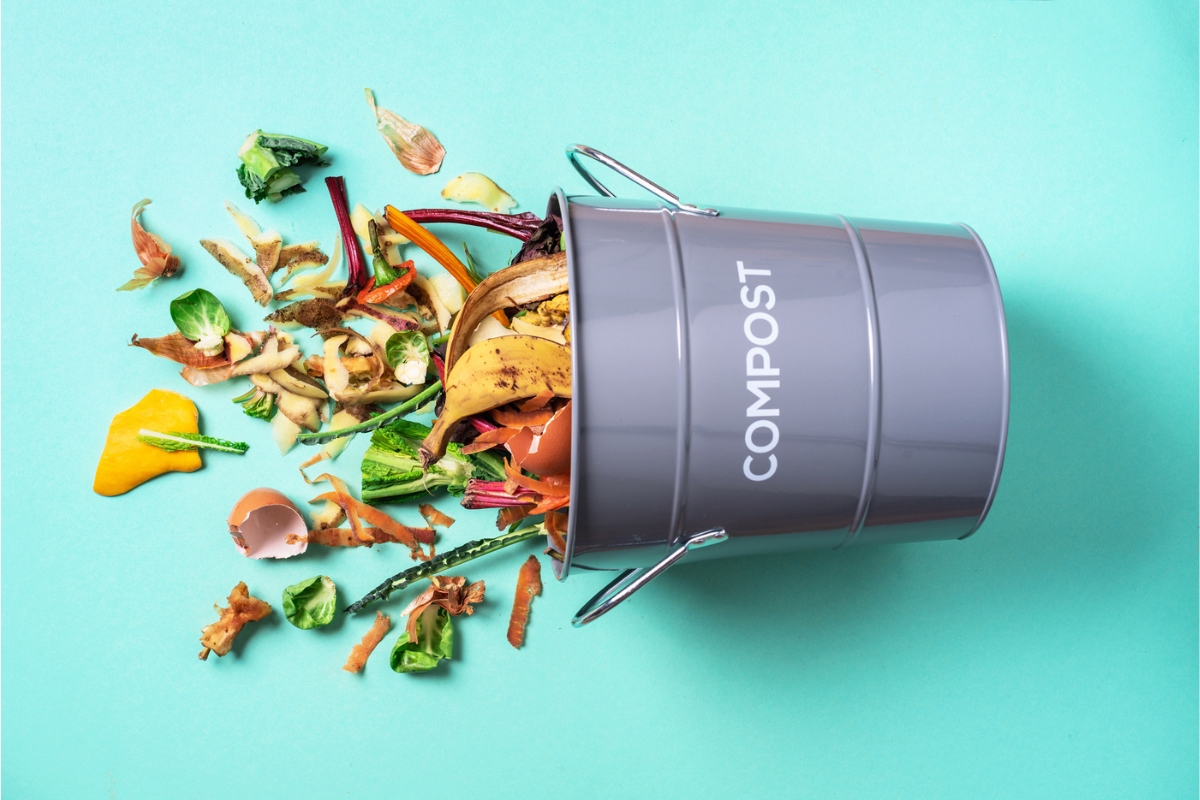
Another effective tip is to manage your organic waste. Instead of throwing food scraps in the trash, consider composting. This turns your organic waste into nutrient-rich soil for your garden and reduces the amount of material sent to landfills.
Here are some simple tips for reducing waste at home:
- Plan your meals to avoid buying excess food that might go to waste.
- Start a compost bin for food scraps and yard trimmings.
- Avoid disposable items like paper plates and plastic cutlery.
- Choose products with minimal or recyclable packaging.
- Find creative ways to use kitchen scraps in your next meal before composting.
Zero Waste Lifestyle Tips Beyond the Household (e.g., vehicle, digital, period products)
Adopting a zero-waste lifestyle extends well beyond the confines of your household. It involves rethinking waste management across all areas of your life, including your vehicle, digital consumption, and personal care products. For instance, consider your commuting habits; by opting for public transport, biking, or carpooling, you can significantly reduce your carbon footprint while also minimising the physical waste associated with vehicle use, such as packaging from convenience snacks.
In the digital realm, reduce your energy consumption by decluttering your digital space—delete old emails and unused applications, and switch to cloud storage solutions to minimise the need for physical hardware.
When it comes to personal care, look for eco-friendly alternatives in period products, like menstrual cups or cloth pads, which not only decrease plastic waste but also offer a sustainable solution. By incorporating these tips into your daily routine, you can effectively reduce waste across every facet of your life, creating a broader impact on the planet.
Conclusion
In conclusion, embracing a zero-waste lifestyle is not just an aspiration; it’s a transformative journey that benefits both you and the planet. By understanding the principles of refuse, reduce, reuse, recycle, and rot, you can make impactful changes in your daily life that contribute to a healthier environment. Start with small, manageable steps, and celebrate each victory along the way. Remember, every effort counts when it comes to reducing waste and promoting sustainability. Together, we can create a cleaner, greener future for ourselves and future generations. If you’re ready to take the plunge into a zero-waste lifestyle, don’t hesitate to seek out resources and support groups that can guide you on this fulfilling path.
Frequently Asked Questions
Is achieving a completely zero-waste lifestyle realistic for most people?
While achieving an absolutely zero-waste lifestyle can be challenging, the goal is progress, not perfection. For most people, focusing on making small, manageable changes in their daily lives is a realistic and impactful approach. It’s about reducing waste as much as possible, one step at a time.
What are some common challenges when starting out?
Common challenges in starting zero-waste living include time constraints for meal planning and research, limited access to package-free products, and social pressure to conform to wasteful habits. Overcoming the convenience of single-use items is often the first hurdle when adopting the concept of zero waste.
Where can I find UK-based resources or groups for zero-waste support?
You can find zero-waste support by searching for local community groups online, as many are inspired by the UK’s zero-waste movement. Following UK-based zero-waste bloggers and joining national online forums can also provide tips and encouragement for living a more sustainable lifestyle and supporting local economies.