

Have you ever tasted a tomato fresh from the garden, still warm from the sun? There’s simply nothing like the satisfaction that comes from growing your own vegetables and enjoying the fruits of your labour. Not only is home vegetable gardening economical and environmentally friendly, but it also provides you with the freshest and most nutritious produce possible.
Anyone can learn to grow their own food with just a little guidance. Whether you have a spacious garden or only a few containers on a balcony, growing vegetables at home is accessible to anyone willing to get their hands a bit dirty.
In this comprehensive guide, you’ll find everything you need to know to embark on your vegetable gardening journey. From selecting the perfect location to choosing beginner-friendly crops, we’ll cover all the essentials to help you create a thriving garden that will reward you with delicious harvests throughout the seasons.
Selecting the Ideal Location
Choosing the right location for your vegetable garden is crucial for its success. Vegetables have specific needs, and finding the best spot can significantly impact their growth. Here are some key factors to consider while selecting the ideal location for your garden:
Sunlight
Sunlight is one of the most important aspects of growing vegetables at home. Most edible plants need at least 6 to 8 hours of direct sunlight each day to thrive. Observing your garden throughout the day will help you identify the areas that receive the most consistent sunlight. While some leafy vegetables, such as spinach and lettuce, can tolerate partial shade, fruiting plants like tomatoes and peppers require full sun to grow properly.
Soil Quality
The quality of your soil plays a significant role in how well your vegetables grow. Ideally, you want soil that drains well but retains enough moisture to keep your plants hydrated. If water pools in your garden after it rains, consider using raised beds or improving drainage. Adding organic matter, such as compost, can greatly enhance the soil’s structure and fertility, providing your vegetables with the best foundation for growth.
Accessibility
Accessibility is another important factor that can easily be overlooked. Your vegetable garden should be easily accessible for tasks like watering, weeding, and harvesting. It’s beneficial to place your garden near a water source—you won’t want to carry heavy watering cans across your garden on hot summer days! Additionally, consider how exposed the area is to strong winds, as this can damage delicate plants and cause the soil to dry out quickly.
Determining Your Garden Size
When it comes to growing vegetables at home, starting small is definitely the best approach. Many enthusiastic beginners become overwhelmed by gardens that are too large to manage effectively.
For first-timers, it’s recommended to start with a modest plot of about 2m x 2m (roughly 4 square meters). This size is manageable for most people and can still produce a significant amount of food. If you’re using containers or raised beds, even a 1m x 1m bed can yield a surprising quantity of vegetables when planted efficiently.
Remember that vegetables need space to grow properly. Overcrowding can lead to competition for nutrients and light, resulting in smaller harvests and increased pest problems. When planning your garden, ensure you leave adequate space between plants, as recommended on seed packets or plant labels.
It’s better to have a small, well-maintained garden that produces abundantly than a large, neglected one that yields poorly. You can always expand in future seasons as your confidence and skills grow. You might start with just three tomato plants and a few lettuce seedlings, and eventually grow enough vegetables to share with your neighbours throughout the summer!
Preparing Your Soil
The foundation of successful vegetable growing starts with properly prepared soil. This essential step can determine whether your plants thrive or struggle, ultimately influencing your harvest.
Begin by clearing the area of any weeds, rocks, or debris. Turn the soil to a depth of about a spade’s length (approximately 20-30 cm), breaking up any large clumps as you work. This process aerates the soil, making it easier for young roots to penetrate and establish themselves.
Next, enrich your soil with organic matter. Adding well-rotted compost, aged manure, or leaf mould significantly improves both soil structure and fertility. Aim to incorporate about 5-10 cm of compost into your vegetable beds, mixing it into the top 15-20 cm of soil.
If you’re unsure about the quality of your soil, consider getting a soil test. These inexpensive tests can reveal your soil’s pH and nutrient levels, helping you identify and address any deficiencies before planting. Most vegetables prefer a slightly acidic to neutral pH (between 6.0 and 7.0).
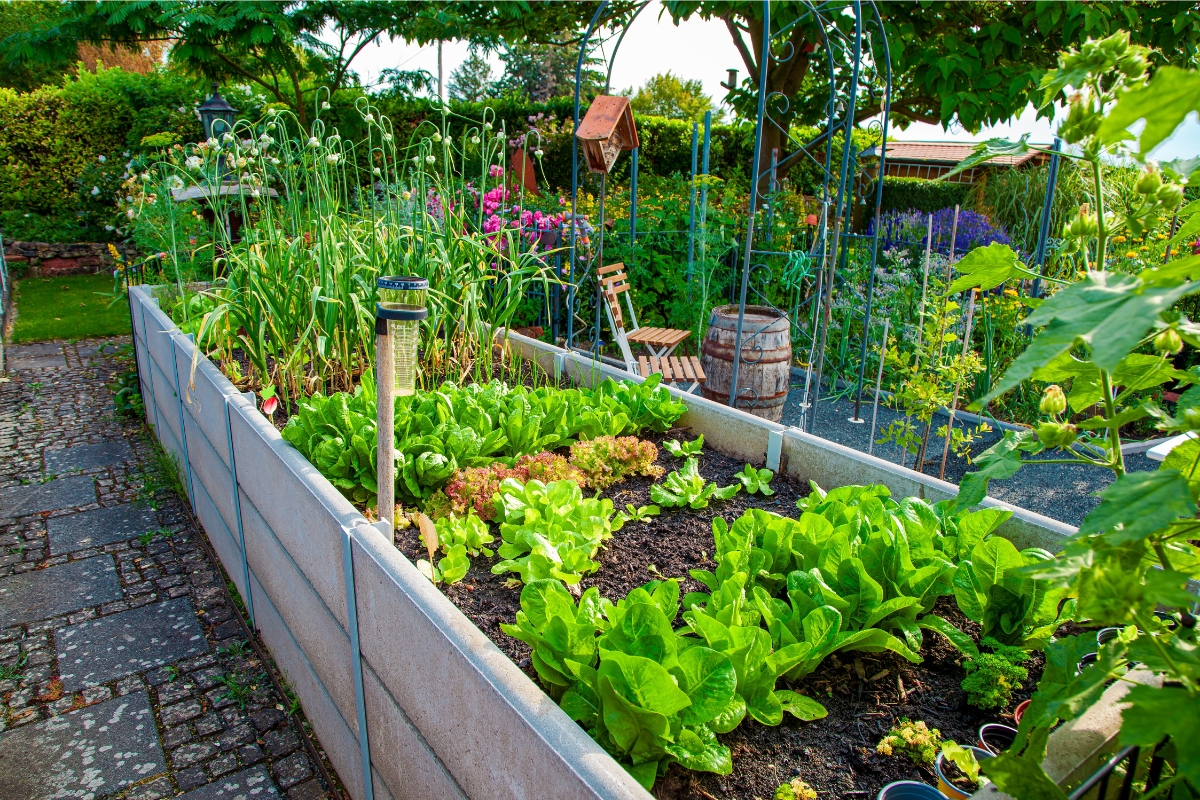
For those with particularly challenging soil conditions, raised beds offer an excellent solution. They allow you to create the perfect growing environment regardless of your existing soil quality. A depth of at least 30cm provides ample room for most vegetable root systems to develop properly.
Which Vegetables to Grow
Choosing the right vegetables is essential when you’re starting your gardening journey. It’s best to start with crops that are forgiving and yield well with minimal effort.
Leafy greens like lettuce, spinach, and kale are excellent starter vegetables. They grow quickly, can be harvested multiple times, and adapt well to various conditions. Additionally, they can be pricey when purchased fresh, making them a more economical choice for home growing.
Root vegetables such as radishes and beetroot are also great for beginners. Radishes can be ready to harvest in just 3-4 weeks, offering quick satisfaction and freeing up space for subsequent plantings. Beetroot is incredibly versatile in the kitchen and stores well after harvest.
Courgettes deserve special mention for their high productivity. A single plant can produce dozens of fruits throughout the season, making them very space-efficient. Just be prepared to share your harvest or find creative ways to use them in your meals!
While tomatoes require a bit more care, they are immensely rewarding to grow. The flavour of a home-grown tomato is unmatched by supermarket varieties. Cherry tomatoes, in particular, are a great option for beginners because they are more resilient and prolific than larger varieties.
When selecting vegetables, consider your family’s preferences. There’s little point in growing vegetables that no one wants to eat, regardless of how easy they are to cultivate. Additionally, consider choosing varieties specifically developed for home gardens rather than commercial production, as these are often more disease-resistant and have a more flavorful profile.
Understanding Planting Times
Timing is crucial when growing vegetables at home. Planting at the right time gives your crops the best chance of success and helps prevent common issues, such as bolting (premature flowering) or poor germination.
Vegetables can be categorised into two main groups: cool-season and warm-season crops.
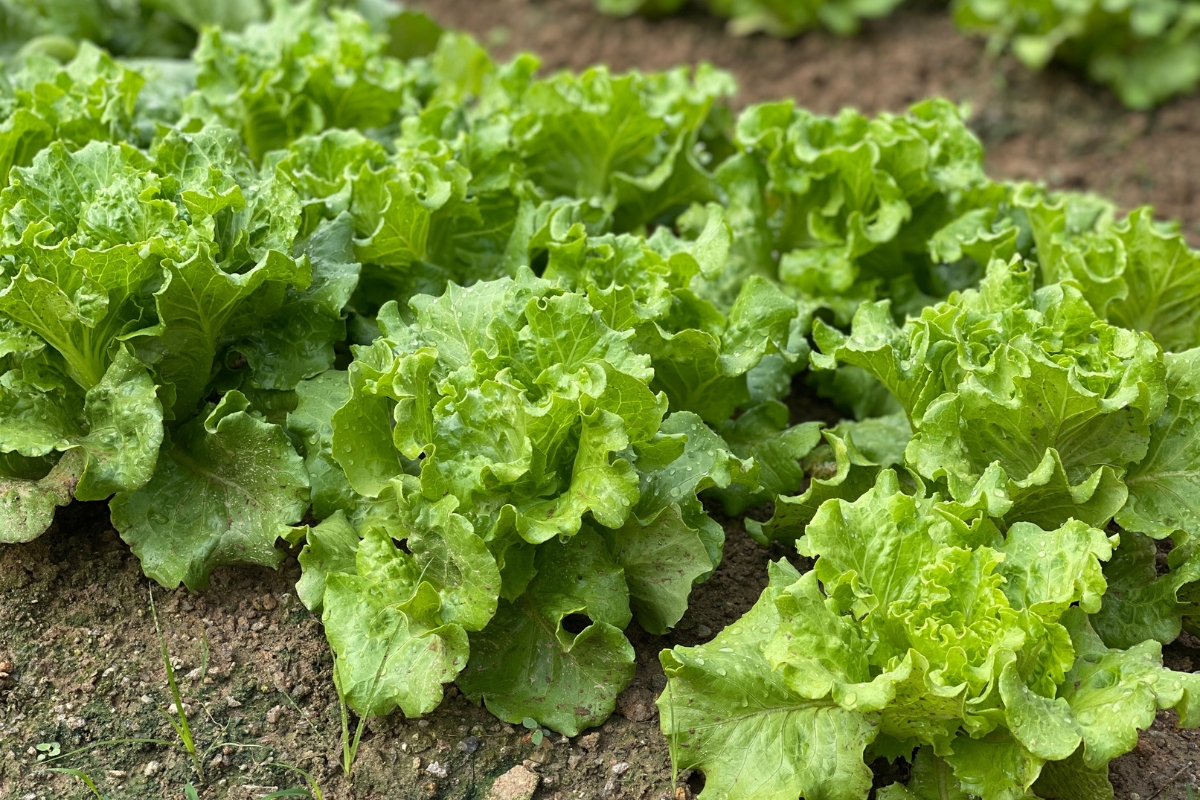
Cool-season vegetables, such as peas, lettuce, and spinach, thrive in the cooler temperatures of spring and autumn. These plants can tolerate light frosts but struggle in the summer heat. Typically, you should sow these seeds early in spring, as soon as the soil is workable, and again in late summer for a fall harvest.
On the other hand, warm-season vegetables, like tomatoes, peppers, and courgettes, require higher temperatures to grow well. These should only be planted outdoors after the last frost has passed and the soil has warmed up. In the UK, this is generally from mid-May to early June, depending on your specific region.
To extend your growing season, consider starting some vegetables indoors. Begin growing tomatoes and peppers on a sunny windowsill about 6-8 weeks before your last expected frost date. This gives them a head start, leading to earlier harvests.
Succession planting is another effective technique. Instead of sowing all your lettuce or radish seeds at once, plant small batches every 2-3 weeks. This approach provides a continuous harvest rather than a surplus that may go to waste. Keep a simple calendar to track when you’ve sown different crops, which will help you maintain a steady supply throughout the growing season.
Essential Growing Techniques
Mastering a few fundamental techniques will significantly enhance your success in growing vegetables at home. These practices ensure that your plants receive the care they need to yield abundant harvests.
One of the most critical skills to develop is correct watering. Most vegetables require consistent moisture—about 2.5 cm of water per week from rainfall or irrigation. Deep, infrequent watering shouldn’t be compared to frequent, light sprinklings. Water at the base of the plants instead of overhead to minimise disease problems, and try to water in the morning so that the foliage can dry before evening.
Mulching is another essential practice in gardening. A 5-7 cm layer of organic mulch (such as straw, shredded leaves, or compost) helps retain soil moisture, suppress weeds, and regulate soil temperature. Apply mulch after the soil has warmed in spring, ensuring it is a few centimetres away from plant stems to prevent rot.
Supporting taller plants prevents damage and maximises space in your garden. Tomatoes, peas, beans, and cucumbers all benefit from appropriate support structures. These can be as simple as bamboo canes or as elaborate as purpose-built trellises. Install the supports at planting time to avoid disturbing the roots later on.
Thinning seedlings is often overlooked but is essential for proper development. When sowing seeds directly in the ground, always plant more than needed. Once the seedlings have their first true leaves, thin them to the recommended spacing. This ensures that each plant has adequate space, light, and nutrients to grow to its full potential.
Conclusion
Growing vegetables at home is a rewarding journey that connects you with your food in a profound way. By starting small, preparing your soil properly, and selecting appropriate vegetables for your space and experience level, you’ll set yourself up for success from the beginning.
Remember that gardening is a continuous learning process—even experienced gardeners face challenges and failures. Each season brings new lessons and opportunities to improve. Keep notes about what works well in your particular garden conditions, as this knowledge will prove invaluable over time.
Most importantly, enjoy the process! There’s something truly magical about watching a tiny seed transform into food for your table. The satisfaction of having a meal featuring vegetables you’ve grown yourself is unmatched, and the flavours will spoil you for supermarket produce forever.
So grab your gardening gloves, select some seeds, and start your vegetable growing adventure. Your future self will thank you for the delicious harvests and valuable skills you’ll develop along the way.


